Start with the scope, not a square-foot shortcut
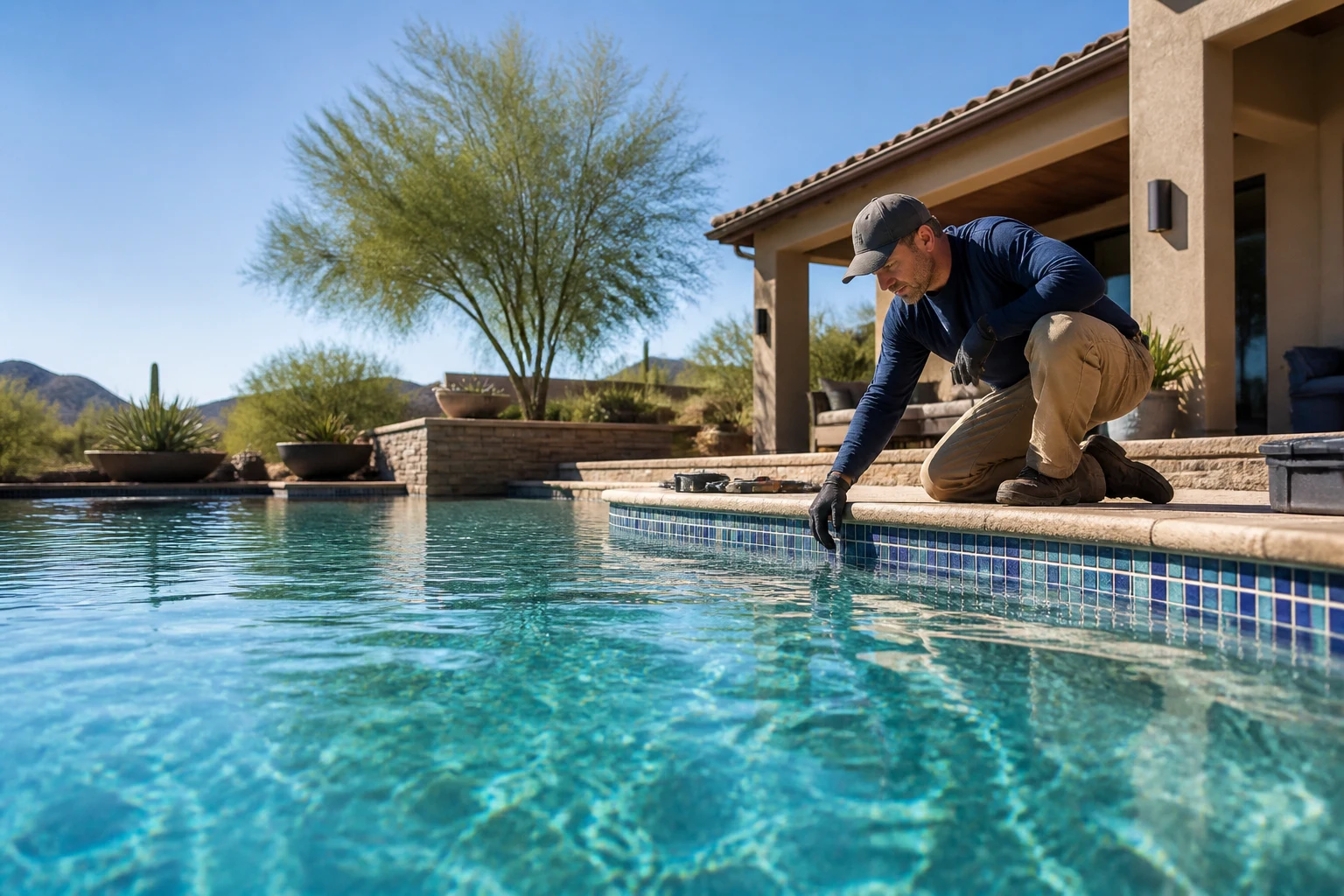
Two pools with the same footprint can require completely different work. Surface condition, access, plumbing, equipment, tile, coping, deck transitions, and water features all change the plan. A useful estimate begins with a site visit and a written scope.
The decisions that move the budget
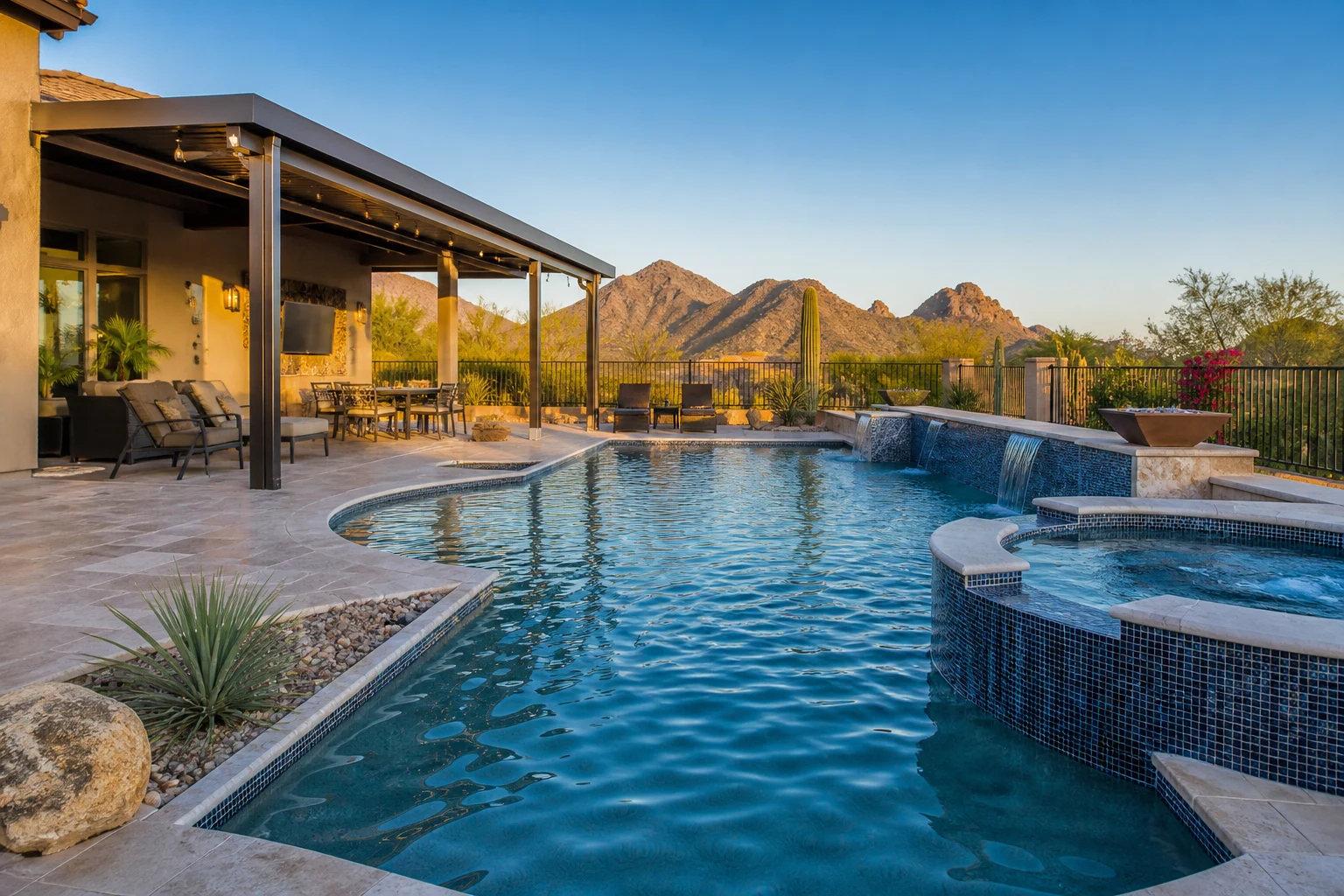
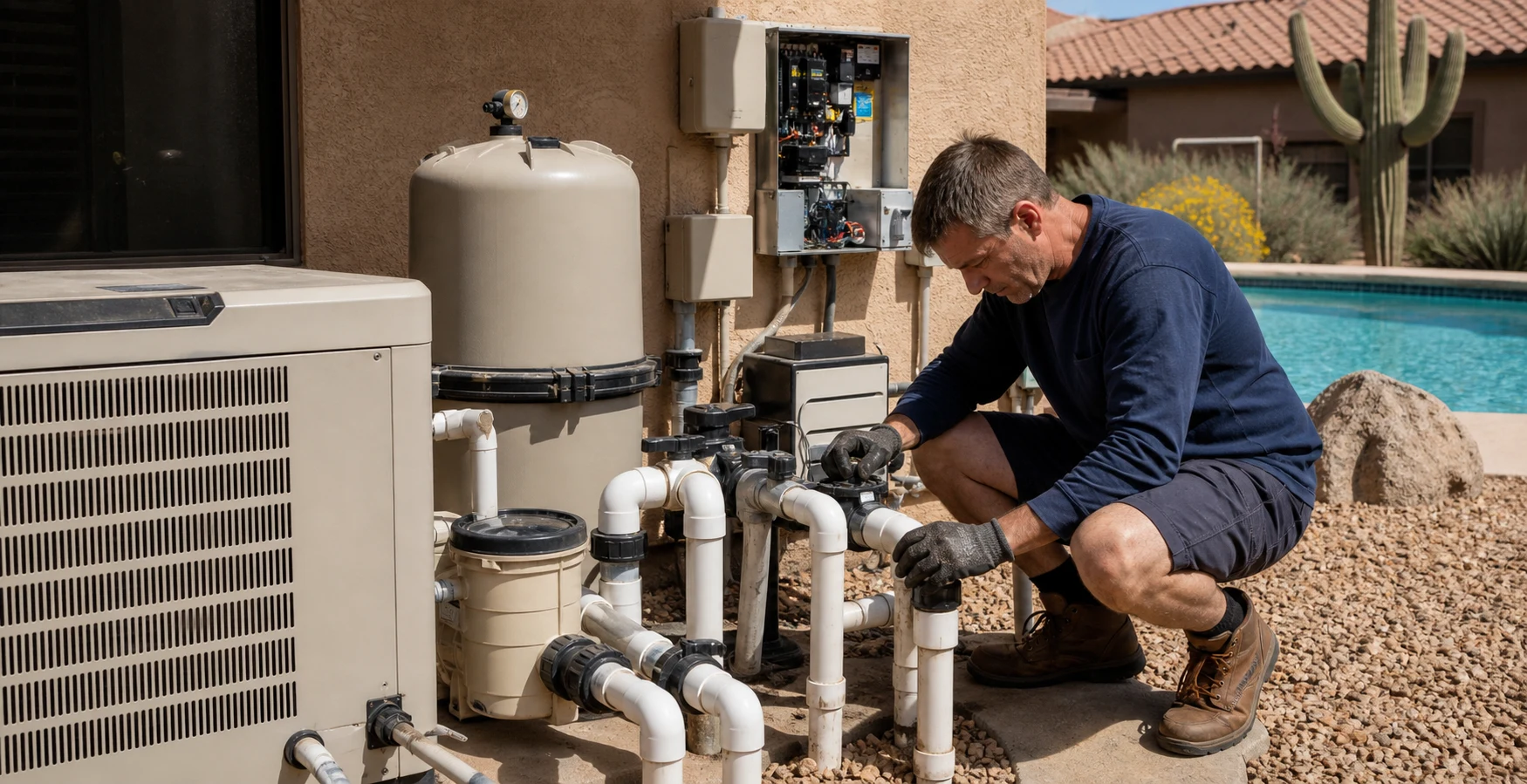
Interior finish, waterline tile, coping material, deck area, plumbing repairs, and equipment upgrades usually create the largest swings. Grouping must-do repairs separately from design upgrades makes the decision clearer.
Build a remodel that lasts
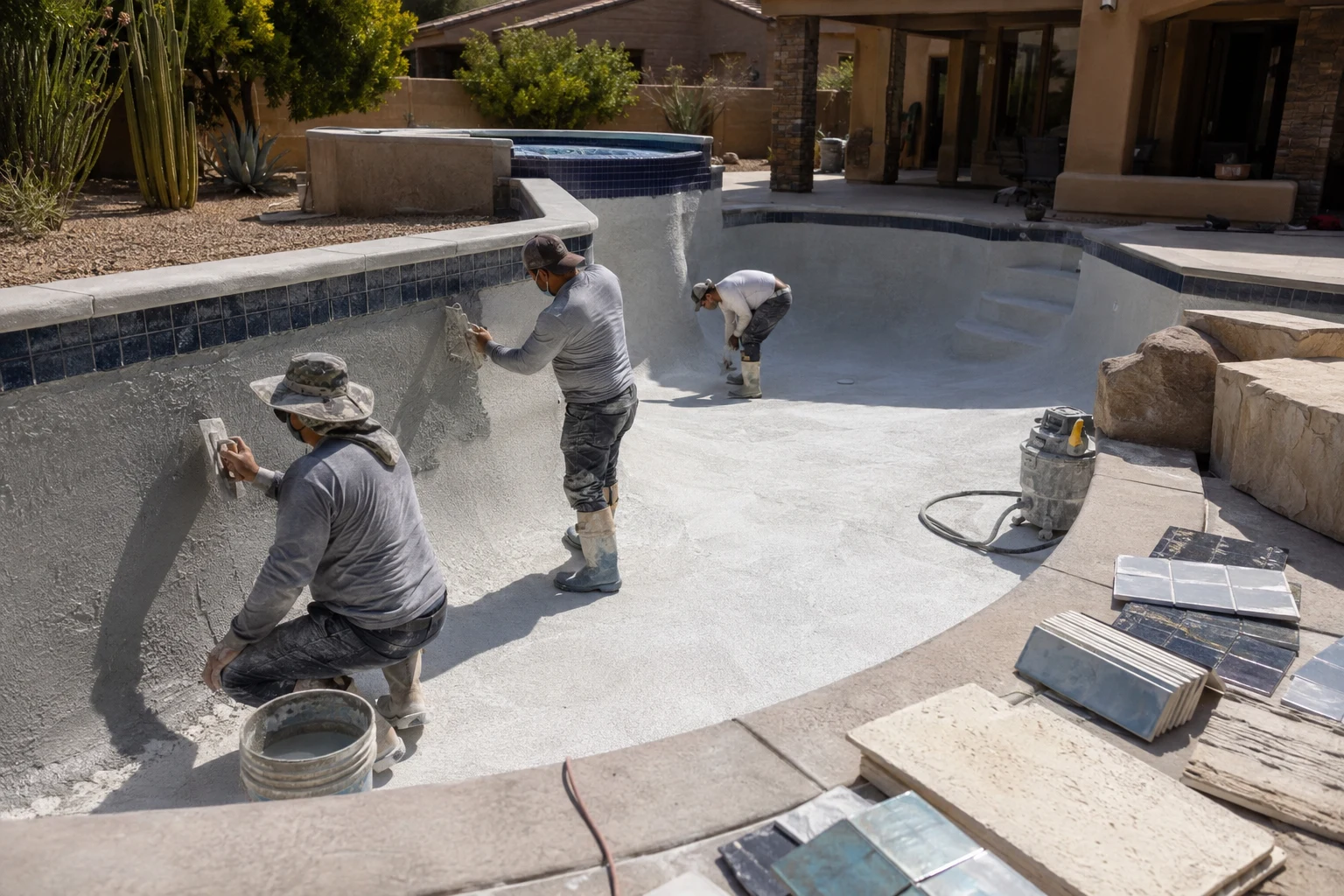
Preparation is the invisible part of a strong remodel. Ask how the old surface will be prepared, how cracks and hollow areas are handled, and what the start-up process includes. The prettiest finish still depends on the work underneath it.
Separate required repairs from design upgrades
A useful proposal identifies the work the pool needs to function safely and reliably, then lists optional finish, feature, lighting, and equipment upgrades separately. That structure lets the homeowner protect the pool first and decide where added design investment matters most.
Plan for access, demolition, and the unexpected
Tight side yards, protected landscaping, material staging, debris removal, and hidden conditions can all affect a Phoenix remodel. A contractor should discuss access before work begins and explain how discoveries inside the drained pool will be documented and priced.
Compare scopes line by line
The lowest total is not automatically the lowest long-term cost. Compare preparation, repair allowances, material specifications, equipment models, start-up, warranties, cleanup, and exclusions. Clear scope language makes competing proposals easier to evaluate.