We Fix Ugly Pools

Materials

Pebble vs. Plaster: Which Finish Fits an Arizona Pool?

Compare look, texture, maintenance, and longevity before choosing your new pool interior.

Arizona Pool Journal
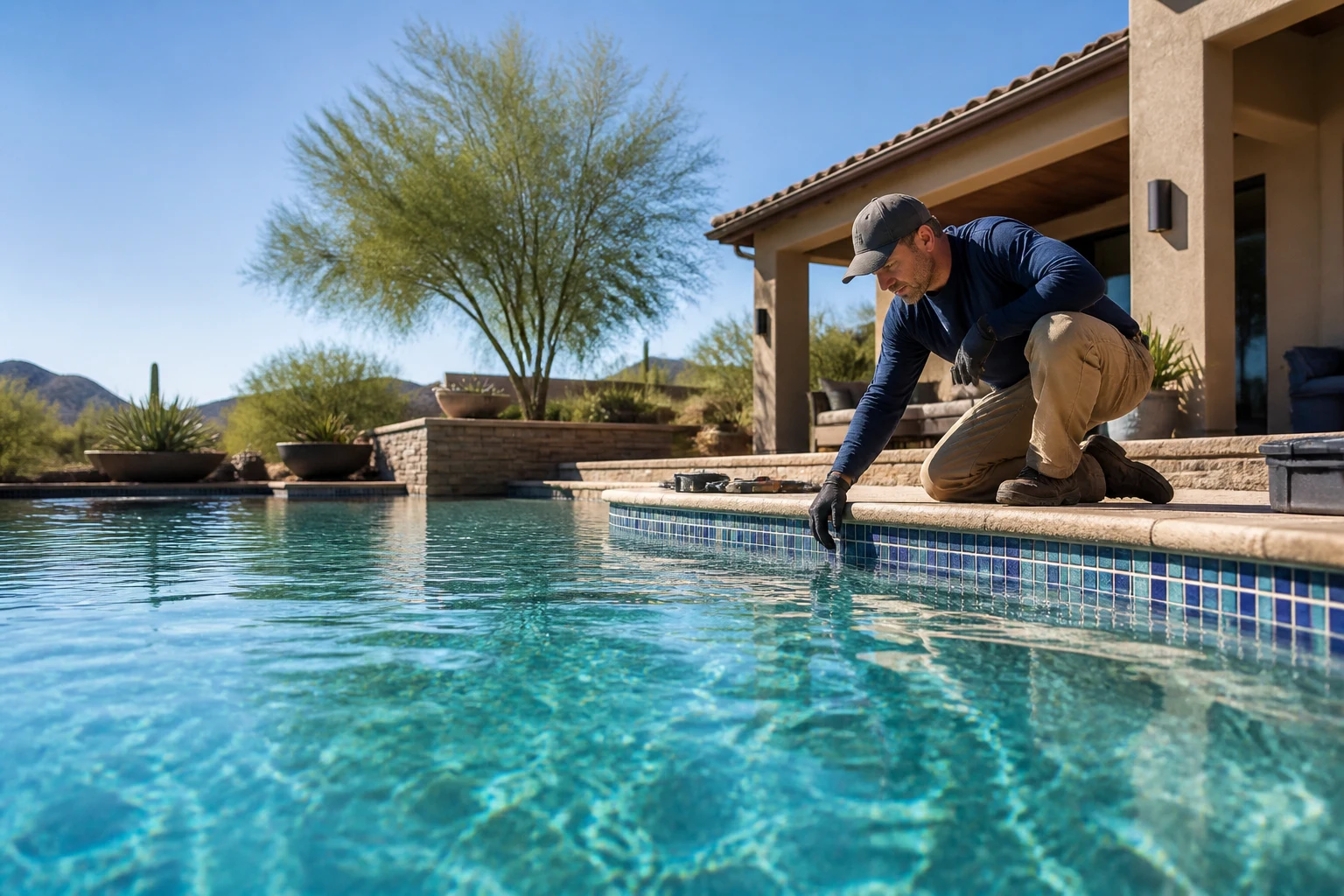
Person inspecting the waterline of a swimming pool

Plan with confidence

What toknow beforeyou requesta scope.

A clear, well-prepared scope helps you get accurate pricing, a smoother construction process, and the pool you’ve been envisioning.

  • The condition under the visible finish matters as much as the new material.

    As much as the new material, what's underneath the surface affects the scope and cost.

  • Required repairs should be separated from optional upgrades.

    Keeping these separate makes it easier to compare proposals and prioritize your investment.

  • Equipment, hydraulics, surfaces, and features should be planned together.

    A complete view of the system helps avoid delays and ensures everything works in harmony.

  • Clear preparation and exclusions make proposals easier to compare.

    The more detail you provide upfront, the more accurate and consistent the estimates will be.

Plaster: classic and clean

Traditional plaster creates a bright, familiar pool finish with a smooth feel. It can be a good value when paired with consistent water chemistry and a careful start-up.

Pebble: texture and depth

Aggregate finishes introduce visible stone and richer water color. They are often selected for durability and a more natural, resort-like appearance.

Choose with your feet and your eyes

See full-size samples in water whenever possible. Consider texture underfoot, the color at different depths, and how the finish relates to the home, coping, and landscape—not just a small sample card.
Materials FAQs

Common questions,answered clearly.

Take clear photos of the full pool, the specific concern, waterline and deck transitions, equipment labels, and the access path. A short guided video can show relationships that isolated photos miss.